Planning a Warehouse Cleanout? What Industrial Facilities Need to Know Before They Start
Forged Dumpsters
Warehouse cleanouts don't happen often, but when they do, they need to go right. How to get the dumpster strategy right before the work starts.
Warehouse cleanouts don't happen often, but when they do, they need to go right. Whether you're clearing out a facility before a lease transition, decommissioning a section of the floor for a reconfiguration, or doing a full inventory purge after years of accumulation, the volume of material that comes out of a warehouse tends to catch people off guard.
For industrial facilities in Gilroy, San Jose, Santa Clara, Morgan Hill, and surrounding Bay Area cities, getting the dumpster strategy right before the work starts is what separates a cleanout that finishes on schedule from one that drags on because containers are full, swaps are delayed, or the wrong sizes were ordered.
What Comes Out of a Warehouse Cleanout?
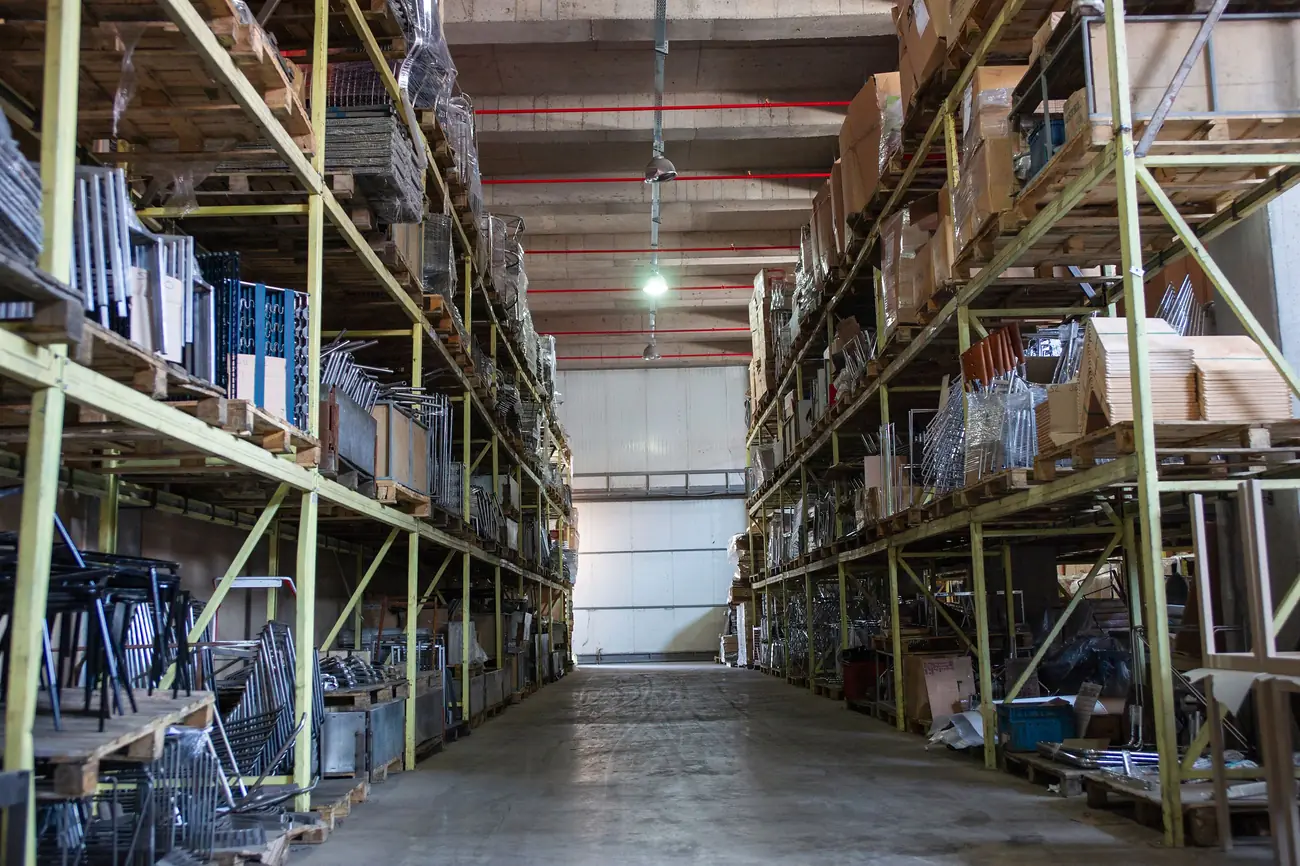
Every facility is different, but most warehouse cleanouts involve some combination of the following:
- Racking and shelving: old pallet racking, wire shelving, and mezzanine components being removed or replaced
- Packaging accumulation: years of cardboard, foam, shrink wrap, and banding material that collected in corners and overflow areas
- Obsolete equipment: conveyor sections, old material handling equipment, broken machinery, and worn fixtures
- Damaged inventory: product that was never processed out, including broken goods, expired stock, and items that never made it back to circulation
- General debris: accumulated floor debris, broken pallets, miscellaneous hardware, and whatever gets swept out from years of active operation
The weight and density of this material varies significantly. Racking and equipment are heavy. Cardboard and packaging are light but take up enormous volume. Getting the container selection right means accounting for both.
How Many Dumpsters Does a Warehouse Cleanout Actually Need?
This is the question most facility managers underestimate. A single container is almost never enough for a full warehouse cleanout. The answer depends on square footage, how densely the space is packed, and what the material is.
A rough planning framework for most industrial warehouse cleanouts:
- Light packaging and cardboard-heavy cleanout: a 30 or 40 yard container handles high volume at low weight. One or two loads typically covers a standard warehouse bay.
- Mixed cleanout with racking and equipment: plan for a 30 or 40 yard container for the lighter material and a separate 10 or 20 yard container for heavy metal components.
- Full facility decommission: multiple containers running simultaneously or a planned swap schedule with 3 to 5 loads is common for facilities over 20,000 square feet.
Forged Dumpsters can help you estimate based on your specific facility layout and the type of material coming out before you commit to a container plan.
Scheduling Matters More Than Most People Plan For
Warehouse cleanouts are often tied to hard deadlines. Lease end dates, handoff timelines to incoming tenants, or construction start dates that can't move. When a container fills up faster than expected and the swap doesn't happen on time, work stops and your crew is standing around waiting.
That's the specific problem that reliable dumpster service solves. Forged Dumpsters operates on a prompt swap model, next-day delivery in most of our service area, and clear communication throughout the job. When you're working against a deadline, that reliability isn't a nice-to-have, it's what keeps the project on track.
For facility managers running a cleanout with a firm completion date, we recommend booking containers in advance and establishing a swap protocol before work starts. Know who to call, what the turnaround time is, and what happens if you need a same-day swap.
What to Do with Equipment and Machinery During a Cleanout
Large equipment that's being removed from a warehouse doesn't always go straight into a dumpster. Depending on size and weight, it may need to be moved to a staging area, transported to another facility, or hauled to a disposal site separately.
Forged Dumpsters also provides site-to-site hauling and flatbed transport for equipment that needs to move between locations. If part of your cleanout involves relocating machinery or vehicles to another site rather than disposing of them, we handle that end of the logistics as well. One company coordinating the whole cleanout is simpler than managing multiple vendors across an already complex job.
Keeping the Facility Safe and Compliant During the Cleanout
An active warehouse cleanout creates temporary hazards. Aisles get cluttered, emergency exits can get blocked, and debris accumulates faster than crews can process it. Container placement is part of managing that safely.
Positioning dumpsters close to the work area minimizes the distance material needs to travel. For large facilities, multiple containers at different points in the building reduces congestion and keeps work moving simultaneously in different zones. We work with your facility super or project manager on placement before delivery to make sure containers are accessible, safely positioned, and don't interfere with equipment still in operation during the cleanout.
Frequently Asked Questions
How long does a typical warehouse cleanout take?
It varies widely based on facility size and material volume. A single-bay warehouse cleanout might take one to three days. A full facility decommission for a large operation can run one to three weeks. The dumpster schedule should be built around your crew's realistic output capacity, not an optimistic timeline.
Can I get multiple containers on site simultaneously?
Yes. For large cleanouts where different material types are being sorted, running two or three containers simultaneously is often the most efficient approach. We coordinate placement to make sure each container is accessible and positioned where the work is happening.
What if hazardous materials turn up during the cleanout?
Legacy hazardous materials, old chemicals, contaminated soil, or regulated waste that surfaces during a cleanout need to be handled by a licensed hazmat contractor and can't go in a standard roll-off. If you encounter something unexpected, stop loading that material and contact a licensed waste disposal company for that portion. The rest of the cleanout can continue with standard containers.
Do you handle cleanouts for multi-tenant industrial parks?
Yes. We serve industrial parks and multi-tenant facilities throughout Santa Clara County and the surrounding region. We can coordinate with property management, individual tenants, or the general contractor managing the cleanout depending on how the project is structured.
Start Planning Your Warehouse Cleanout
Forged Dumpsters handles dumpster rental and equipment hauling for warehouse cleanouts, facility decommissions, and large-scale industrial clearing projects throughout Gilroy, San Jose, Morgan Hill, Santa Clara, Campbell, Cupertino, Palo Alto, Mountain View, Saratoga, Los Gatos, Hollister, Prunedale, Aptos, Moss Landing, and surrounding Bay Area cities.
The earlier you get the container plan in place, the smoother the job goes. We're available to walk through your facility's specifics before you start.
Call (408) 825-4838 to get a quote.
.webp)
Schedule Your Fall Haul
Ready to get started?
Garage cleanouts, yard debris, and fall remodels across the South Bay. Call or text for a fast, free quote, or reserve online with upfront pricing.
Call or text for a fast, free quote, or reserve online. Honest, upfront pricing and reliable, on-time service across the South Bay.