Dumpster Rentals for Manufacturing Facilities
Forged Dumpsters
Manufacturing facilities deal with waste volumes most businesses never see. Why a fixed bin schedule doesn't work and how roll-offs give facilities more control.
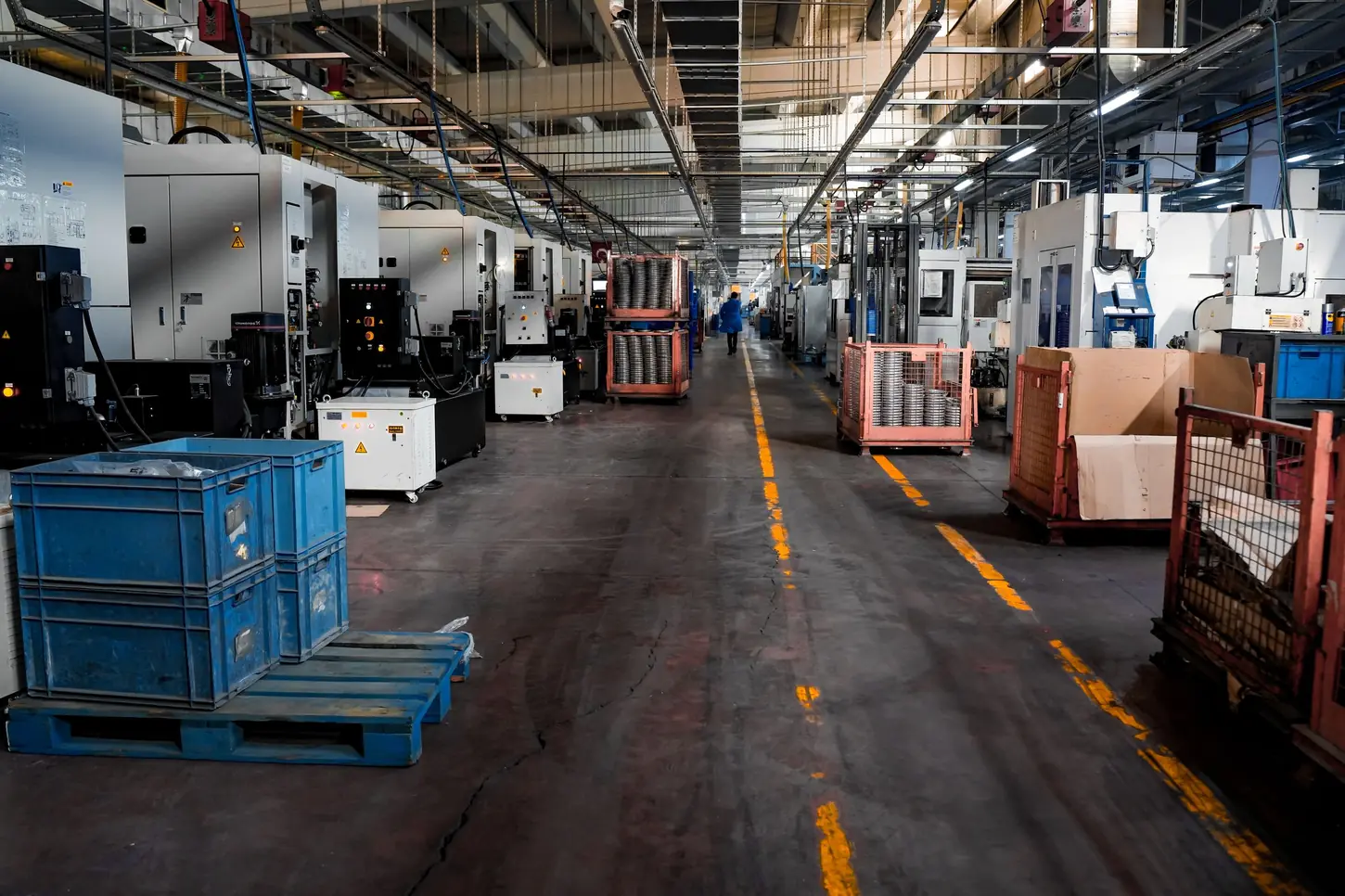
Manufacturing facilities deal with waste volumes that most other businesses never see. Scrap material, production rejects, packaging, broken equipment, and process byproducts accumulate continuously, and the cost of mismanaging it adds up fast, in downtime, in safety incidents, and in hauling fees that weren't planned for.
For manufacturers across the Bay Area, including facilities in San Jose, Santa Clara, Gilroy, Morgan Hill, and surrounding industrial corridors, roll-off dumpster rentals are one of the more practical tools for keeping production floors clean and operations running on schedule.
What Types of Waste Do Manufacturing Facilities Produce?
It varies by industry, but high-volume manufacturing typically generates some combination of the following:
- Production scrap: offcuts, rejected parts, trimmed material, and material that doesn't meet spec
- Packaging waste: cardboard, foam, shrink wrap, pallets, and crating from incoming materials and outbound shipments
- Equipment waste: worn tooling, broken fixtures, old machinery components, and hardware from facility maintenance
- Construction debris: ongoing facility improvements, line reconfigurations, and expansion projects all produce demolition and construction material
- Process waste: non-hazardous byproducts from production processes, mold material, insulation, and composite material
Hazardous waste, chemicals, and process fluids require separate licensed disposal and can't go into a standard roll-off. But the non-hazardous solid waste stream in most manufacturing environments is large enough on its own to warrant a dedicated container strategy.
Why a Fixed Bin Schedule Doesn't Work for Most Manufacturers
Standard commercial waste contracts are built around predictable, low-volume pickup schedules. Manufacturing doesn't work that way. Output fluctuates with production runs, changeovers, equipment failures, and scheduled maintenance windows. A fixed weekly pickup might be too frequent during slow periods and completely inadequate during a production push.
Roll-off dumpster rentals give facilities more control. You can schedule a swap when the container is full rather than on a calendar, add a second container during high-output periods, or use a larger container during planned maintenance shutdowns when debris volume spikes. That kind of flexibility doesn't exist with traditional commercial hauling contracts.
How Do Manufacturers Use Roll-Off Dumpsters on the Production Floor?
Dedicated scrap stations
Many facilities position a 40 yard dumpster near the primary production line or scrap collection point. Workers drop material directly as it's generated, which keeps the floor clear without requiring a secondary staging area. For heavy scrap like metal or dense composite material, a 10 yard container keeps weight in check.
Maintenance and shutdown cleanouts
Planned shutdowns are one of the biggest single-event waste generators in manufacturing. When a line goes down for reconfiguration or a facility undergoes a scheduled deep clean, the volume of debris can be significant. Having a 30 or 40 yard container on site for the duration of the shutdown keeps the crew focused on the work instead of on waste logistics.
Ongoing packaging and shipping waste
Receiving docks at manufacturing facilities accumulate cardboard, foam, and pallet material at a rate that surprises most people outside the industry. A 20 or 30 yard container positioned near the receiving area, emptied on a set schedule or when full, is a cleaner solution than compactors for many mid-size operations.
Choosing the Right Dumpster Size for a Manufacturing Facility
Size selection for manufacturers comes down to material density and daily volume. A few general guidelines:
- 10 yard: best for dense material like metal scrap, ceramic, or heavy composite. Don't use a larger container for loads that are primarily heavy material.
- 20 yard: works for mixed manufacturing waste where volume is moderate and material isn't exclusively dense
- 30 yard: suitable for facilities with high packaging volume, ongoing construction, or light mixed waste at scale
- 40 yard: used for major facility cleanouts, equipment removal, or demolition during large-scale reconfiguration projects
Safety and Compliance on the Production Floor
Accumulated waste on a manufacturing floor isn't just an operational problem. Debris in aisles, around equipment, or near emergency exits creates OSHA exposure and genuine injury risk. Regular dumpster service reduces the time waste spends on the floor and keeps your facility in better shape for inspections and audits.
Forged Dumpsters works with facilities across Gilroy, San Jose, Santa Clara, and Morgan Hill to coordinate delivery and swap schedules that keep containers accessible without interfering with loading dock operations or forklift traffic. Placement matters in a manufacturing environment, and we plan for it.
Frequently Asked Questions
Can a roll-off dumpster be placed inside a facility or warehouse?
In most cases, no. Roll-off containers are delivered by truck and require ground-level outdoor access. They can be positioned at a loading dock, near a facility entrance, or in a designated outdoor staging area. If your facility has overhead clearance and ground access, placement close to the door is usually possible.
What's the weight limit for a manufacturing facility dumpster?
Weight limits vary by container size. For dense industrial material, a 10 yard container is the safest choice since it reaches weight limits before it fills to volume capacity. Our team will discuss weight expectations with you before delivery so you're not hit with overage charges at pickup.
Can I keep a dumpster on site long-term for ongoing manufacturing waste?
Yes. Forged Dumpsters can set up a recurring swap schedule based on your production output. Some facilities prefer a set day each week, others prefer to call when the container is full. Both approaches work, and we can adjust the frequency if your production schedule changes.
Do you service industrial parks and multi-tenant manufacturing facilities?
Yes. We serve industrial parks and multi-tenant facilities throughout Santa Clara County and surrounding areas. If multiple tenants need service at the same location, we can coordinate placement to serve more than one operation without containers conflicting with each other.
Get a Dumpster Set Up at Your Manufacturing Facility
Forged Dumpsters serves manufacturers, production facilities, and industrial operations across Gilroy, San Jose, Morgan Hill, Santa Clara, Campbell, Palo Alto, Mountain View, and surrounding Bay Area cities.
Next-day delivery is available in most service areas. Flexible swap schedules, transparent pricing, and no hidden fees. Whether you need a single container for a shutdown cleanout or an ongoing service arrangement that matches your production cycle, we'll work around your facility's schedule.
Call (408) 825-4838 to talk through your facility's waste setup or schedule a delivery.
.webp)
Schedule Your Fall Haul
Ready to get started?
Garage cleanouts, yard debris, and fall remodels across the South Bay. Call or text for a fast, free quote, or reserve online with upfront pricing.
Call or text for a fast, free quote, or reserve online. Honest, upfront pricing and reliable, on-time service across the South Bay.