Dumpster Rentals for Fabricators: The Smarter Way to Handle Heavy Shop Waste
Forged Dumpsters
Fabrication shops generate some of the heaviest commercial waste in construction. How to choose the right container and avoid overweight fees on dense material.
Fabrication shops generate some of the heaviest commercial waste in the construction industry. Stone slabs, lumber offcuts, cabinet carcasses, tile remnants, and metal scraps add up fast, and standard trash service was never designed to handle any of it.
For countertop fabricators, lumberyards, cabinet shops, tile distributors, and millwork facilities across the Bay Area, a roll-off dumpster rental is the most practical and cost-effective way to manage daily and project-based waste removal. This guide covers what types of businesses benefit most, what to expect from the process, and how to avoid common mistakes with heavy material disposal.
Which Fabrication Businesses Produce the Most Waste?
The following shop types consistently generate high volumes of heavy or bulky waste that requires a dedicated container:
- Countertop fabricators: stone, quartz, granite, and marble offcuts are extremely dense. Even small remnants weigh hundreds of pounds.
- Cabinet shops: plywood sheets, MDF panels, hardwood scraps, hardware packaging, and damaged carcasses pile up daily.
- Lumberyards and millwork facilities: dimensional lumber offcuts, treated wood scraps, sawdust-laden material, and pallets need regular removal.
- Tile and flooring distributors: broken tiles, ceramic remnants, and cement board fragments accumulate quickly in high-volume operations.
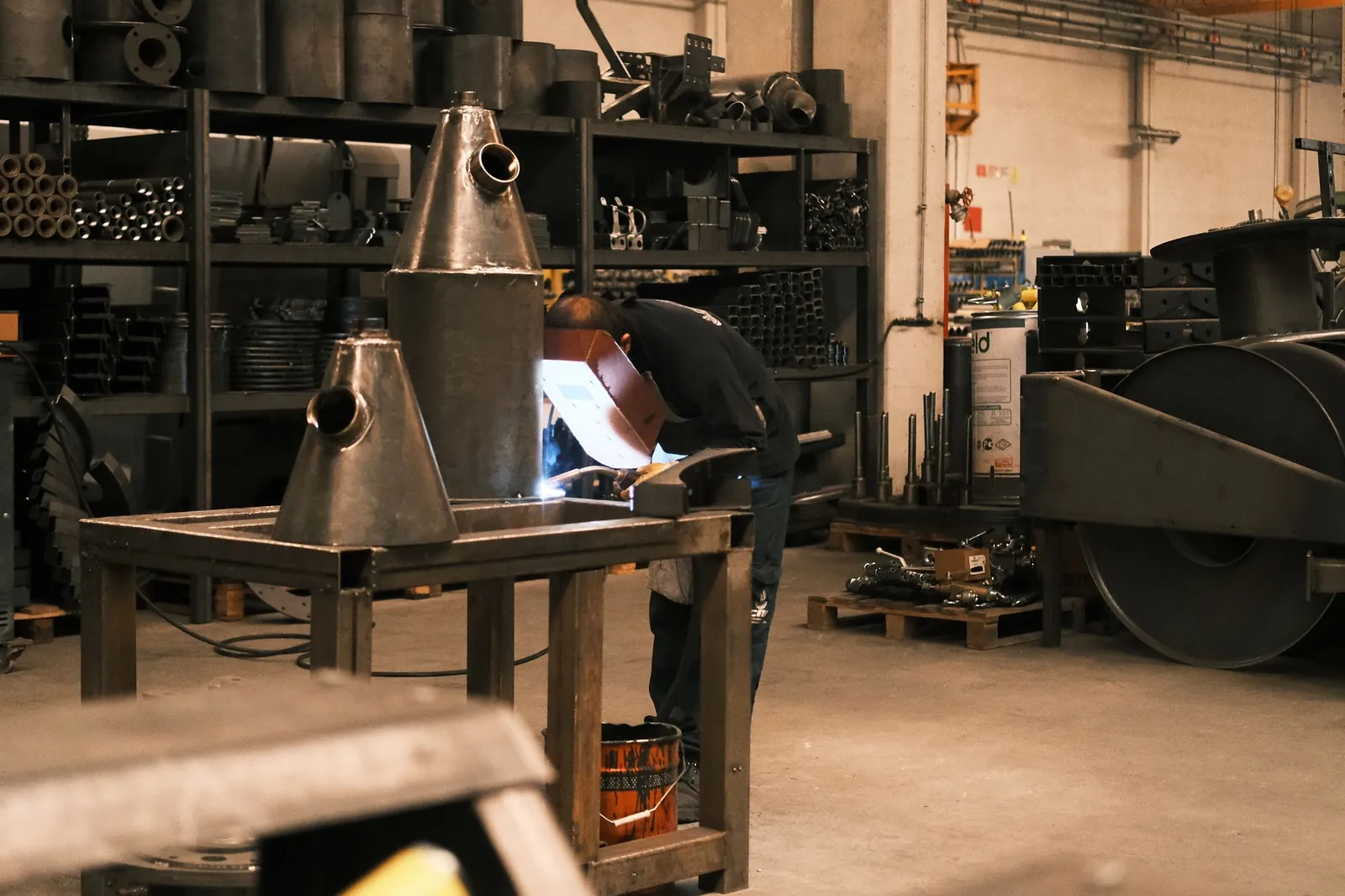
- Metal fabricators and welding shops: scrap steel, aluminum drops, slag, and packaging waste require containers rated for heavy loads.
- Concrete and masonry suppliers: broken block, leftover mix, and demolition material from customer returns need structured disposal.
Why Standard Trash Service Fails Fabrication Shops
Municipal trash pickup and commercial dumpster services through waste haulers are built for light, everyday refuse. They are not equipped for the density, volume, or irregular shapes that fabrication waste produces. Common problems shops run into include:
- Overweight bins that get left behind on collection day
- Waste piling up faster than weekly pickup schedules can handle
- Employees spending hours breaking down or relocating scrap instead of doing productive work
- Safety hazards from accumulated material blocking shop floors, loading docks, or fire exits
A roll-off dumpster placed directly on your property gives your crew a single, accessible drop point that handles volume and weight without interrupting your workflow.
What Dumpster Size Do Fabrication Shops Need?
Choosing the right dumpster size for a fabrication shop depends on two factors: the volume of waste generated and the density of the material. These two factors often work against each other, heavy material fills weight limits before it fills volume limits.
For Heavy, Dense Material (Stone, Concrete, Tile, Metal)
Always use a 10 yard dumpster for loads that are primarily stone, concrete, ceramic, or metal. These materials are too heavy for larger containers. A full 10 yard load of granite or quartz offcuts can easily approach or exceed safe weight limits. Loading dense material into a 20 or 30 yard container risks overweight fees and potential transport issues.
For Mixed or Lighter Shop Waste (Wood, Packaging, MDF, Pallets)
Cabinet shops, lumberyards, and millwork facilities producing primarily wood-based waste can use larger containers. A 20 yard dumpster works well for moderate weekly volume. Shops with high daily output may benefit from a 30 yard container or a swap-out schedule to keep the floor clear continuously.
For Mixed Loads (Some Heavy Material, Some Light)
If your shop produces both heavy remnants and lighter packaging or wood waste, keep them separate where possible. Heavy material in its own 10 yard container, lighter mixed debris in a larger one. Our team can help you plan a two-container setup if your shop footprint allows for it.
How Fabricators in the Bay Area Use Dumpster Rentals Day to Day
The most efficient fabrication shops treat waste removal as part of their production workflow, not an afterthought. Here is how it typically works in practice:
- Countertop shops position a 10 yard dumpster near the saw or waterjet station so offcuts go directly into the container as they are cut.
- Cabinet manufacturers keep a 20 or 30 yard container near the panel saw or assembly area, emptied on a weekly or biweekly schedule.
- Lumberyards use dumpsters for broken pallet disposal and end-of-day offcut sweeps, keeping aisles clear and OSHA-compliant.
- Tile distributors use a dedicated container for return breakage and discontinued stock, swapped out as needed rather than on a fixed schedule.
Forged Dumpsters works with commercial clients across Gilroy, San Jose, Morgan Hill, Santa Clara, Campbell, and surrounding Bay Area cities to set up delivery schedules that match your production cycle rather than a generic calendar.
What Can and Cannot Go in a Fabrication Shop Dumpster?
Accepted materials include:
- Natural and engineered stone offcuts (granite, quartz, marble)
- Lumber, plywood, MDF, and wood scraps
- Ceramic tile, porcelain, and cement board
- Cabinet carcasses, doors, and hardware packaging
- Pallets and cardboard (loose, not baled)
- General shop debris, foam, plastic shrink wrap, and packaging
Items requiring special handling or not accepted:
- Hazardous materials, solvents, adhesives, or chemical waste
- Liquid waste of any kind
- Appliances, tires, or mattresses (available with additional fees)
Frequently Asked Questions from Fabrication Shops
How often should a fabrication shop swap out their dumpster?
It depends on your production volume. High-output countertop shops may need a swap every 3 to 5 days. Cabinet and lumber operations typically swap weekly or biweekly. Forged Dumpsters can set up a recurring schedule or offer on-call swaps so you only pay for what you use.
Do I need a permit to place a dumpster at my shop?
If the dumpster is placed on your private property or loading dock area, no permit is typically required. If it needs to sit on a public street or right-of-way in cities like San Jose, Santa Clara, or Gilroy, a permit may be needed. Our team can help you determine requirements based on your specific location.
What is the weight limit for a dumpster full of stone or tile?
For concrete, stone, and tile, we always recommend a 10 yard dumpster. Loads exceeding the weight limit are subject to additional fees. Our team can advise on limits before delivery so there are no surprises at pickup.
Schedule a Dumpster for Your Fabrication Shop in the Bay Area
Forged Dumpsters serves fabrication businesses, cabinet shops, lumberyards, countertop fabricators, and tile distributors across Gilroy, San Jose, Morgan Hill, Santa Clara, Campbell, Palo Alto, Mountain View, and surrounding South Bay cities.
We offer next day delivery when available, flexible swap schedules, and straightforward pricing with no hidden fees. Whether you need a one-time cleanout or an ongoing waste removal setup, we will work around your shop hours to keep your floor clear and your crew productive.
Call (408) 825-4838 to book your dumpster or ask about recurring service for your shop.
.webp)
Schedule Your Fall Haul
Ready to get started?
Garage cleanouts, yard debris, and fall remodels across the South Bay. Call or text for a fast, free quote, or reserve online with upfront pricing.
Call or text for a fast, free quote, or reserve online. Honest, upfront pricing and reliable, on-time service across the South Bay.