Dumpster Rentals for Demolition and Abatement Contractors in the Bay Area
Forged Dumpsters
Demolition and abatement crews need reliable containers and fast swaps. How Forged keeps large-scale demo projects moving across the Bay Area.
Demolition and abatement work moves fast, generates enormous volume, and doesn't leave much room for waste management problems. When debris has nowhere to go, the job stalls. And in a field where project timelines are tied to permit windows, weather, and downstream contractors waiting on you, a stalled job is an expensive job.
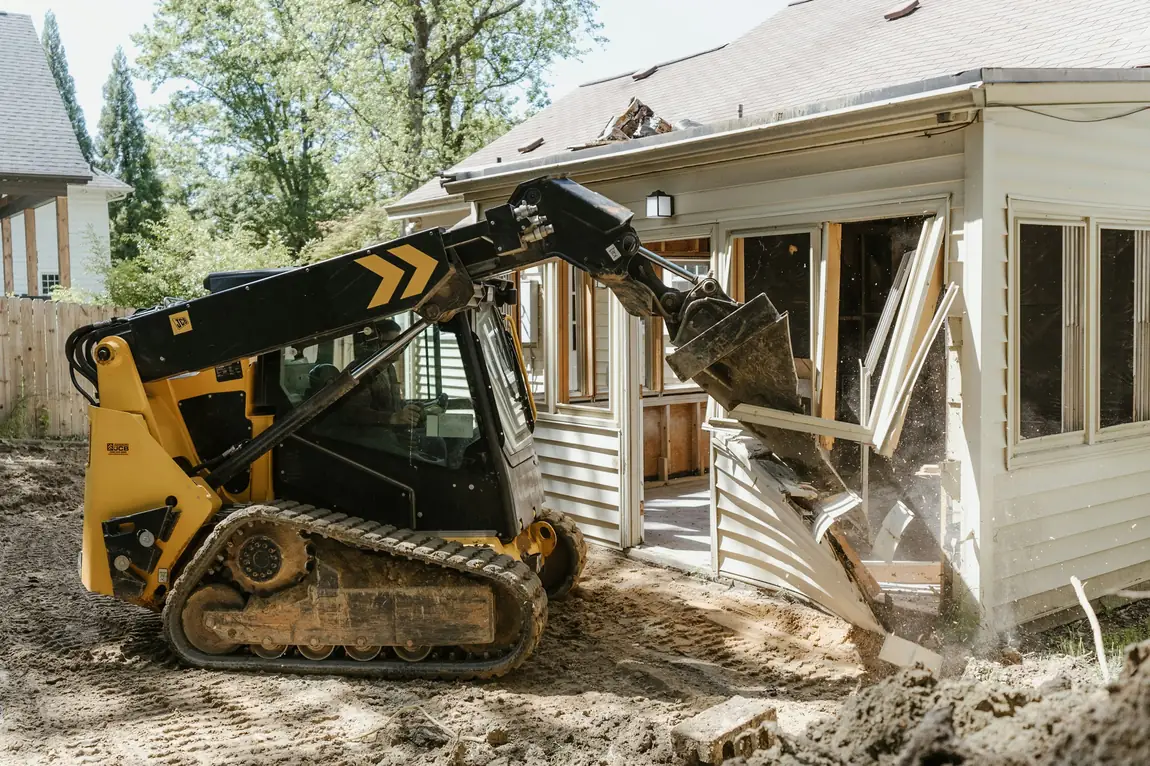
Contractors working on structural demolition, interior gutting, concrete breaking, and abatement projects throughout Gilroy, San Jose, Santa Clara, Morgan Hill, and surrounding Bay Area cities rely on demolition dumpster rental service to keep debris moving from the site to disposal without creating bottlenecks.
What Makes Demolition Waste Different from Other Construction Debris?
Demolition waste is heavier, denser, and more varied than new construction debris. You're not dealing with just drywall offcuts and packaging. You're dealing with intact concrete slabs, masonry, structural lumber, roofing material, metal framing, plumbing, electrical components, and sometimes legacy materials like older flooring and ceiling tile that require careful handling.
That density is the main reason demolition contractors need to think carefully about container sizing. A 40 yard dumpster that looks empty at a third capacity may already be at its weight limit if you've been loading concrete and masonry. Getting that wrong results in overage fees or a container that can't be legally transported.
Which Types of Demolition Projects Require Roll-Off Dumpsters?
- Full structural demolition: clearing an entire building generates mixed debris that needs multiple containers and a planned swap schedule
- Interior gutting: removing drywall, flooring, ceilings, and fixtures from commercial or residential spaces before renovation
- Concrete breaking: slab removal, foundation demo, curb and gutter work, and retaining wall teardown produce extremely heavy, dense loads
- Roofing tearoff: shingles, underlayment, decking, and flashing from residential and commercial roofing projects
- Selective demolition: targeted removal of specific building systems or sections during phased renovation work
- Abatement-related cleanup: non-hazardous debris generated during or after remediation work, including structural material removed to access problem areas
How Do You Size a Dumpster for a Demolition Job?
Concrete, masonry, and heavy structural material
Use a 10 yard dumpster exclusively for loads that are primarily concrete, brick, block, or stone. These materials will hit weight limits long before the container looks full. Attempting to load heavy demo material into a 20 or 30 yard container is one of the most common and costly mistakes on demolition jobs. You end up with an overweight load, additional fees, and a container that can't be swapped until weight is removed.
Mixed interior demo debris
Interior gutting projects, where you're pulling drywall, insulation, flooring, cabinetry, and fixtures, typically produce lighter, higher-volume debris. A 20 or 30 yard container works well here. If the project involves any concrete subfloor removal, keep that material separate in its own 10 yard container.
Full structural demo with mixed material
Large demo projects usually require multiple containers running simultaneously or a planned swap schedule. A 40 yard container works for high-volume mixed debris where density is moderate. For projects generating both heavy structural material and lighter mixed debris, running two containers of different sizes is typically more cost-effective than a single large container.
Planning Dumpster Placement on a Demo Site
Placement on a demolition site takes more thought than on a typical construction project. You're often working in tight spaces, around partially standing structures, or on sites with limited access. A few things worth planning before delivery:
- Truck access: roll-off trucks need a clear path to deliver and retrieve containers. Make sure the approach isn't blocked by demo debris or equipment.
- Load distance: position the container as close to the primary debris source as possible. Carrying heavy material long distances slows the crew and increases fatigue.
- Multiple containers: on large sites, position containers at multiple points to minimize travel distance for different crews working in different areas.
- Surface conditions: containers placed on soft or uneven ground can become difficult to retrieve. Concrete, asphalt, or compacted gravel are the best surfaces.
Forged Dumpsters serves demolition contractors across Santa Clara County and can work with your site supervisor on placement before delivery day to avoid complications.
Abatement Contractors: What Can and Can't Go in a Standard Roll-Off?
This is where demolition and abatement work diverges. Abatement contractors are typically dealing with regulated materials that require licensed disposal separate from standard roll-off service. But the non-regulated debris generated during and after abatement work, structural material removed to access problem areas, general cleanup debris, framing and substrate removed during remediation, is often significant and appropriate for a roll-off container.
If you're unsure whether a specific material is appropriate for a standard container on your project, reach out before delivery. We'd rather answer the question upfront than create a problem at pickup.
Materials not accepted in standard roll-off containers on demolition jobs include:
- Asbestos-containing material (ACM), regardless of condition
- Lead paint debris that hasn't been properly contained per regulatory requirements
- Contaminated soil or materials from brownfield or remediation sites
- Any material designated as hazardous under California or federal guidelines
Swap Schedules for Active Demo Projects
On active demolition projects, you can't afford to wait on a container. When it's full, you need it gone and a fresh one in place so work doesn't stop. Forged Dumpsters offers prompt swap service and next-day delivery for new containers when available throughout our service area.
For projects with predictable output, we can set up a swap schedule in advance so you're not making calls mid-job. For projects where debris volume is hard to predict, on-call swaps work just as well. Either way, you won't be waiting around.
Frequently Asked Questions
Can I mix concrete and other demo debris in the same dumpster?
Technically you can put mixed material in a container, but it's not always the right call on a demo job. If concrete makes up more than roughly a third of your load, you risk hitting weight limits before the container is visually full. Keeping concrete in a dedicated 10 yard container and lighter mixed debris in a larger one usually gives you better cost control.
How many dumpsters does a typical interior gutting project need?
A standard gut of a 2,000 square foot commercial space typically needs one to two 20 yard containers depending on what's being removed. Projects involving concrete subfloor or heavy structural work will need an additional 10 yard container for the heavy material. We can help you estimate based on your scope before you start.
How quickly can you deliver a dumpster to an active demo site?
Next-day delivery is available in most of our service area, which covers Gilroy, San Jose, Morgan Hill, Santa Clara, Campbell, Palo Alto, Mountain View, and surrounding cities. For planned projects, booking in advance ensures you have a container ready when demo starts rather than waiting once debris is already accumulating.
Do you offer same-day swaps for full containers on active jobs?
We do our best to accommodate same-day swap requests, though availability depends on scheduling. If you're on an active project where you anticipate needing fast turnaround, let us know when you book and we'll flag your account for priority swap service.
Schedule Dumpsters for Your Demolition or Abatement Project
Forged Dumpsters works with demolition contractors, abatement crews, and general contractors on large-scale demo projects throughout Gilroy, San Jose, Morgan Hill, Santa Clara, Campbell, Palo Alto, Mountain View, and surrounding Bay Area cities.
Reliable delivery, fast swaps, clear pricing. If your project needs multiple containers or a planned swap schedule, we'll coordinate with your site super to keep the job moving.
Call (408) 825-4838 to talk through your project or get a quote before demo starts.
.webp)
Schedule Your Fall Haul
Ready to get started?
Garage cleanouts, yard debris, and fall remodels across the South Bay. Call or text for a fast, free quote, or reserve online with upfront pricing.
Call or text for a fast, free quote, or reserve online. Honest, upfront pricing and reliable, on-time service across the South Bay.